

R&D INNOVATION

Innovative Drug Technology Platform Focused on Frontier Technologies
The company is committed to becoming a leading innovation-driven biopharmaceutical platform. Its subsidiary, CSPC Megalith, is an innovative biopharmaceutical company driven by outstanding independent R&D capabilities. It possesses comprehensive R&D and commercialization capabilities, focusing on cutting-edge biopharmaceutical areas such as antibody drugs, antibody-drug conjugates (ADC), and mRNA vaccines. The company has built an experienced and highly creative R&D team.
Three Major Treatment Areas
-
-

-
Major Infectious Diseases
-
-
-

-
Malignant Tumor
-
-
-

-
Autoimmune Disease
-
-
- 15
- Pipeline drugs
-
- 131
- Domestic patent authorization
-
- 20
- Foreign patent authorization
-
- 3
- Three Major Treatment Areas
-
- 2
- Technology Platforms
2 Major Technology Platforms
-
-
-
Antibody Engineering and ADC Platform
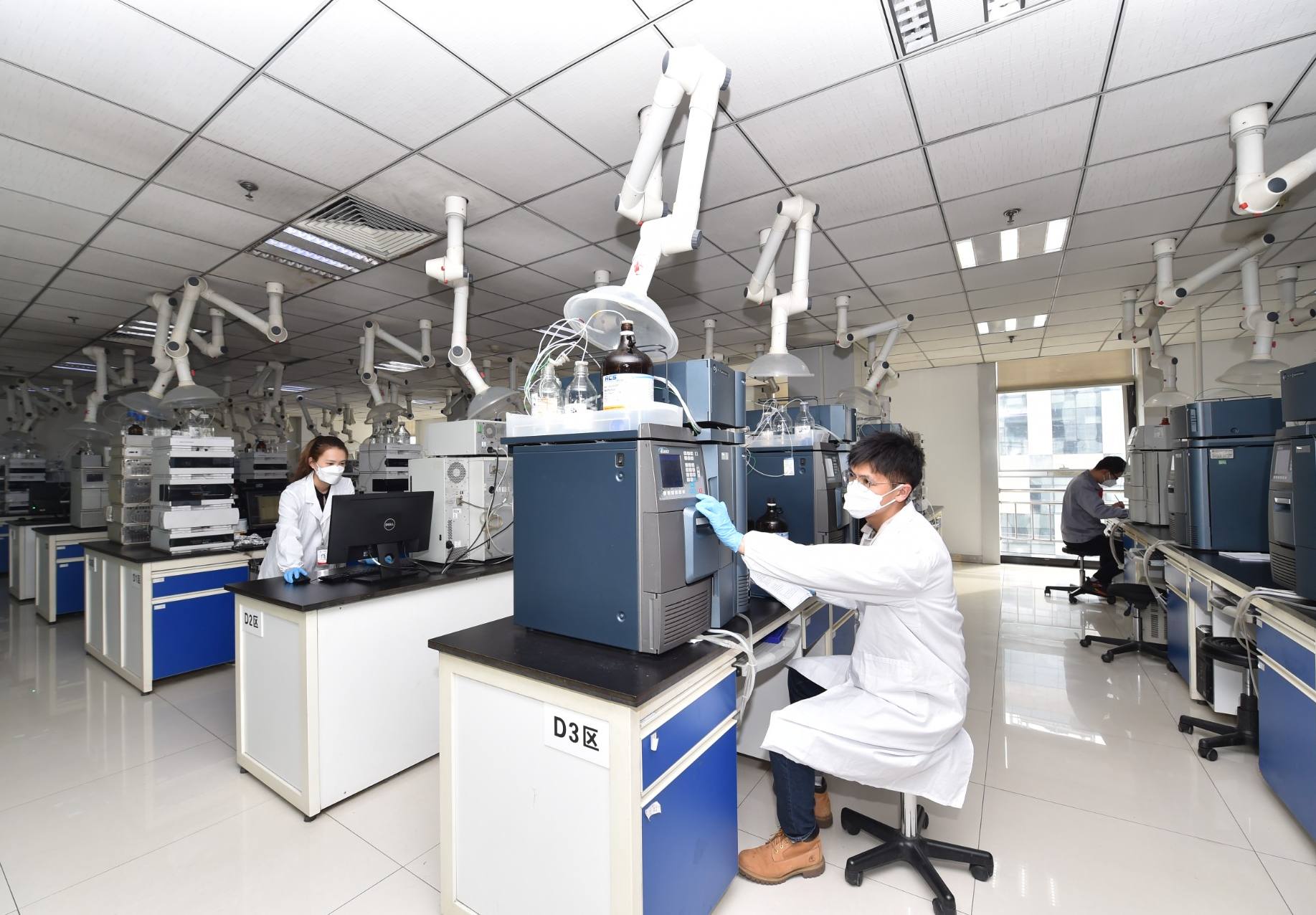
We have structured a closed-loop system tailored to the discovery of specific monoclonal antibodies. We leverage both phage and yeast display technologies to shorten the antibody discovery timeline and enhance the antibody expression. Hit antibody candidates are then optimized using our computational engineering platform to enhance their key therapeutic properties, including binding affinity, as well as efficacy and safety profile. Notably, we possess a proprietary conjugation technique, which uses an engineered microbial transglutaminase to enable the site-specific modification of certain glutamine amino acids in proteins. Working on native antibodies, our approach results in minimal impact on their properties, leading to favorable selectivity and reactivity toward the target sites.
-
-
-
-
mRNA Vaccine Development Platform
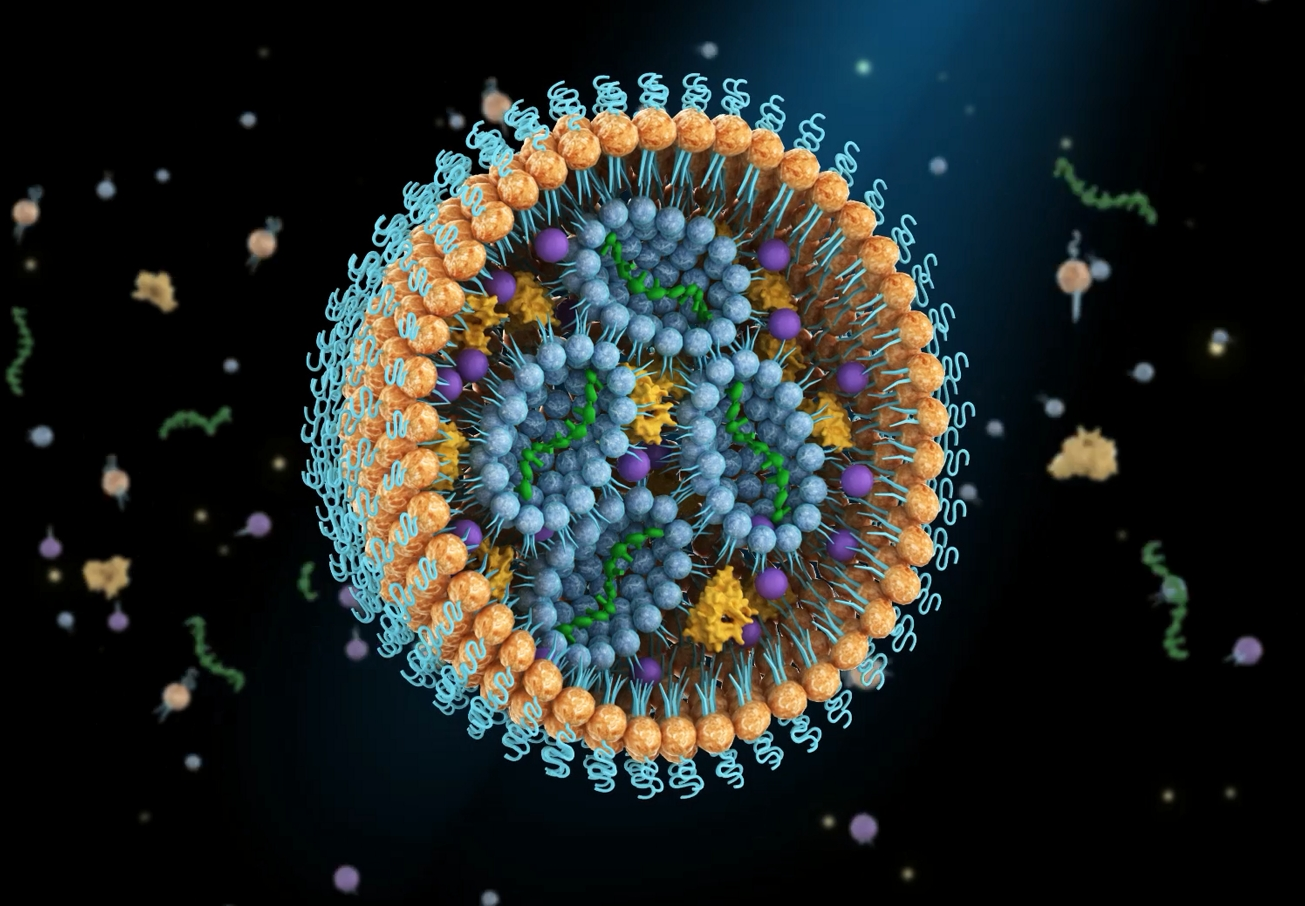
The success of our mRNA vaccines stems from our core expertise in optimizing the translation, stability and immunogenicity of mRNA. Our modular platform covers five pillars for the development of mRNA vaccines: (i) mRNA sequence design, (ii) plasmid synthesis, (iii) mRNA synthesis and purification, (iv) LNP formulation preparation, and (v) quality control and analysis. Notably, our mRNA design employs free energy minimization algorithms to optimize structural stability and translational efficiency. Our approach enables the precise modulation of local spatial folding in critical regions, such as the 5’ UTR and the start codon context, thereby overcoming the limitations of traditional methods that focus solely on codon composition. By establishing more favorable local structures, our strategy facilitates efficient ribosomal initiation and elongation. We further accelerate the identification of high-performing constructs using pre-trained models for high-throughput screening. Additionally, in terms of delivery system, our access to advanced LNP technologies enables us to produce stable, uniform nanoparticles with high encapsulation efficiency, ensuring enhanced uptake by the immune system.
-
-
-
-
-
-
-
Pipeline of Investigational Innovative Drugs
| Drug Name | Time | Indication | Product Introduction |
| Secukinumab Injection | 2026.06 | Moderate‑to‑severe plaque psoriasis | Secukinumab is a fully‑human IgG1 monoclonal antibody that selectively binds to IL‑17A and blocks its interaction with the IL‑17A receptor. IL‑17A is a key cytokine driving inflammatory responses and disease progression in disorders including plaque psoriasis, psoriatic arthritis and axial spondyloarthritis, and plays a central role in disease pathogenesis. As an IL‑17A inhibitor, secukinumab specifically neutralizes IL‑17A to suppress its pro‑inflammatory effects, thereby effectively alleviating disease symptoms, sustaining disease improvement and delivering long‑term clinical benefits for patients. Its fully‑human structure results in a low incidence of anti‑drug antibodies, conferring both durable efficacy and favourable safety profile. |
| Pertuzumab Injection | 2025.11 | HER2-positive breast cancer | Pertuzumab injection is a recombinant humanized anti-HER2 monoclonal antibody injection to be administered once every 3 weeks. This product specifically binds to the extracellular dimerization domain II of HER2, blocking the dimerization between HER2 and ligands from HER2 or other members of the HER family, thereby interrupting the cell cycle and inducing apoptosis. It can also mediate antibody-dependent cell-mediated cytotoxicity (ADCC). This application is primarily supported by a Phase III equivalence clinical trial conducted in patients with early or locally advanced HER2-positive breast cancer. The results of the clinical trial demonstrate that this product is equivalent to the original reference drug when used as neoadjuvant therapy for early or locally advanced HER2-positive breast cancer. In addition, this product demonstrates favorable safety and tolerability profiles, similar to those of the original reference drug. |
| Drug Name | Time | Indication | Product Introduction |
| SYS6010 | 2026.05 | Patients with unresectable locally advanced or metastatic esophageal squamous cell carcinoma who have failed prior first‑line treatment with platinum‑based chemotherapy plus immune checkpoint inhibitors (ICIs)。 | Currently, platinum‑based chemotherapy combined with immunotherapy has become the standard first‑line treatment for advanced esophageal squamous cell carcinoma. However, patients with relapsed or refractory disease after failure of this regimen have limited subsequent treatment options. Conventional chemotherapy regimens such as docetaxel and irinotecan are mainly adopted, which are associated with low overall objective response rate (ORR), short median overall survival (mOS), limited therapeutic efficacy and poor prognosis, representing substantial unmet clinical needs. Clinical studies of this product for the esophageal squamous cell carcinoma indication have demonstrated breakthrough efficacy. It is expected to deliver clinical benefits compared with the existing standard‑of‑care for relapsed esophageal squamous cell carcinoma, with a favourable safety profile and considerable clinical advantages. |
| SYS6043 | 2026.07 | Patients with ovarian cancer, primary peritoneal cancer and fallopian tube cancer | Clinical trial data of this product for platinum-resistant ovarian cancer, primary peritoneal cancer and fallopian tube cancer demonstrate that compared with treatment regimens of non-platinum single-agent chemotherapy combined with somituximab, this product delivers more durable anti-tumor activity, doubles patients' progression-free survival (PFS), and exhibits a favorable overall safety profile. |
| SYS6010 | 2025.01 | As a single agent, it is indicated for the treatment of EGFR mutation-positive advanced non-small cell lung cancer (NSCLC) that has failed treatment with EGFR-TKI and platinum-based chemotherapy. | Lung cancer is the malignant tumor with the highest incidence and mortality rates in China and worldwide, posing a severe threat to human health. Among them, the 5-year survival rate for stage III patients is approximately 20%, while for stage IV patients it is less than 5%, with a median survival of 7 months. The positive rate of EGFR gene mutations in Asian and Chinese patients with NSCLC is 40%–50%. The relationship between the efficacy of targeted therapy and molecular typing in EGFR mutation-positive advanced NSCLC has been fully confirmed in clinical practice. EGFR-TKI has now become the first-line standard of care for EGFR mutation-positive advanced NSCLC. After failure of TKI therapy, the standard treatment is platinum-based doublet chemotherapy ± bevacizumab. However, patients with EGFR mutation-positive NSCLC who have failed treatment with both EGFR-TKI and chemotherapy generally have a poor prognosis, and there remains an unmet clinical need in this population. Currently, the development of this product in various solid tumors is ongoing. Available clinical data confirm that this product as monotherapy demonstrates significantly superior efficacy over standard therapy in this indication. This product has received the breakthrough therapy designation, which will help facilitate further communication with regulatory authorities and accelerate the development process. |
| Pipeline Drugs | Categories | Targets | Indications | Stages |
| Enlonstobart Injection | mAb | PD-1 | Recurrent or metastatic cervical cancer (first-line) | Phase III |
| Ustekinumab Injection | mAb | IL-12/IL-23p40 | Moderate to severe plaque psoriasis | BLA |
| Pertuzumab Injection | mAb | HER2 | HER2-positive early or locally advanced breast cancer | BLA |
| Secukinumab Injection | mAb | IL-17 Monoclonal Antibody | Moderate-to-severe plaque psoriasis | BLA |
| Dupilumab Injection | mAb | IL-4Ra | Moderate to severe atopic dermatitis | Phase I |
| SYS6090 Injection | mAb | PD-1/IL15 | Advanced malignant tumor | Phase II |
| SYS6010 | ADC | EGFR | Advanced solid tumors (gastric cancer, lung cancer, breast cancer, etc.) | Phase Ib/II |
| SYS6010 | ADC | EGFR | EGFR-mutated advanced non-small cell lung cancer (first-line) | Phase III |
| SYS6010 | ADC | EGFR | Head and neck squamous cell carcinoma (first-line) | Phase II |
| SYS6010 | ADC | EGFR | Esophageal squamous cell carcinoma (first-line) | Phase II |
| SYS6010 | ADC | EGFR | EGFR wild-type advanced non-small cell lung cancer (first-line) and advanced solid tumors | Phase II |
| SYS6010 | ADC | EGFR | Neoadjuvant therapy for EGFR‑classic‑mutant non‑squamous NSCLC | Phase II期 |
| SYS6010 | ADC | EGFR | HER2‑negative, EGFR‑positive breast cancer | Phase III期 |
| SYS6010 | ADC | EGFR | Multiple advanced solid tumors | Phase I期 |
| SYS6010 | ADC | EGFR | Esophageal squamous cell carcinoma (second-line) | Phase III期 |
| SYS6010 | ADC | EGFR | Adjuvant therapy for non‑small‑cell lung cancer | Phase III期 |
| SYS6010 | ADC | EGFR | Driver‑negative, PD‑L1‑positive non‑small‑cell lung cancer (first‑line) | Phase III期 |
| SYS6010 | ADC | EGFR | Driver‑negative non‑squamous NSCLC (second‑line) | Phase III |
| SYS6010 | ADC | EGFR | EGFR-mutated advanced non-small cell lung cancer (second-line) | Phase III |
| SYS6002 | ADC | Nectin-4 | Multiple advanced solid tumors | Phase I |
| SYS6002 | ADC | Nectin-4 | Cervical cancer (second-line and above) | Phase III |
| SYS6002 | ADC | Nectin-4 | Advanced urothelial carcinoma (first-line) and other solid tumors | Phase II |
| Recombinant humanized anti-HER2 monoclonal antibody-MMAE conjugate injection (DP303c) | ADC | HER2 receptor | HER2-positive advanced breast cancer (second-line and above) | Phase III |
| SYS6043 | ADC | B7-H3 | SCLC and other advanced solid tumors | Phase II |
| SYS6043 | ADC | B7-H3 | Advanced Solid Tumors | Phase I |
| SYS6023 | ADC | HER3 | Advanced Solid Tumors | I 期 |
| SYS6041 | ADC | FRα | Advanced Solid Tumors | Phase I |
| SYS6005 | ADC | ROR1 | Advanced Tumors | Phase I |
| SYS6040 | ADC | DLL3 | Advanced solid tumors | Phase I |
| SYS6017 | mRNA Vaccine | / | Varicella-zoster virus | Phase II |
| SYS6051 | ADC | TF | Advanced solid tumors | Phase II期 |
| SYS66023 | ADC | HER3 | Advanced breast cancer | Phase II期 |
| Pipeline Drugs | Clinical Data Publication |
| DP303c Injection (Recombinant Humanized Anti-HER2 Monoclonal Antibody-MMAE Conjugate Injection) |
Comparison with TDM1 - Advanced Breast Cancer - Phase III Trial San Antonio Breast Cancer Symposium (SABCS) - Latest Breakthrough - Rapid Report |
| SYS6002 (Anti-Human Nectin-4 Monoclonal Antibody-Drug Conjugate) |
In January 2024, the results of the Phase I clinical trial of SYS6002 for the treatment of advanced solid tumors were presented at the 2024 ASCO-GU Annual Meeting (Abstract No.: B622). Preliminary findings demonstrated that SYS6002 exhibited distinct efficacy signals in advanced solid tumors such as cervical cancer and urothelial carcinoma, with a favorable tolerability profile. In May 2024, the results of the Phase I clinical trial of SYS6002 for the treatment of advanced solid tumors were published in the form of a poster at the 2024 ASCO Annual Meeting (Abstract No.: 3151). Preliminary data indicated that SYS6002 showed clear efficacy signals in patients with advanced solid tumors, alongside good tolerability. |
| SG001 (Enlonstobart Injection) |
Phase III Clinical Trial of Enlonstobart Injection (SG001) Combined with Chemotherapy for the Treatment of Cervical Cancer Society of Gynecologic Oncology (SGO) - Poster SG001 - Advanced Solid Tumors - Phase Ib Trial Drug Design Development and Therapy (IF5.1) - Accepted |
| Ustekinumab Injection (SYSA1902) | Phase III Clinical Study of Equivalence Between Ustekinumab Injection and Selara® in the Treatment of Moderate to Severe Plaque Psoriasis Journal of the American Academy of Dermatology (JAAD, IF12.8) American Academy of Dermatology (AAD) Annual Meeting - Poster |
| Omalizumab for Injection | Results of Phase III Clinical Trial of Omalizumab for Injection in Urticaria Published in Chinese Medical Journal |
| SYS6010 | Phase I Clinical Trial of SYS6010 for the Treatment of Advanced Solid Tumors 2025 American Association for Cancer Research (AACR) Annual Meeting - Oral Presentation IIT Study of SYS6010 Combined with SYH2051 in the Treatment of Patients with Gastrointestinal Tumors 2025 American Society of Clinical Oncology (ASCO) Annual Meeting - Poster |